
Generative Engine Optimization (GEO): New SEO Strategy for AI Search in 2026
Date : 25 November 2025
If you are a keen observer or work in the SEO industry, you may have noticed that AI search has changed more in two years than traditional SEO did in a decade. Google’s Search Generative Experience, ChatGPT Search, Perplexity, Claude, and Gemini are meandering through the search results of the internet explorers. In simple words, the end of 2025 and the beginning of 2026 see the need for optimization of content to suit answers, and not just search engines, as was the case until today.
And this is where Generative Engine Optimization (GEO) enters the picture.
GEO is the practice of preparing content so AI systems can easily understand it, summarize it, and use it when generating answers. But of course, it hasn’t completely replaced SEO, rather added on to it. And if you want to stay ahead, you need to know the best SEO techniques for 2026, how AI is changing SEO, and the GEO content structure best practices that will define the year.
What Exactly Is Generative Engine Optimization?
Traditional SEO focuses on achieving high rankings in search engine results. GEO focuses on positioning your content as the source from which AI models pull their final answer. So, instead of chasing Page 1, you’re aiming to be the reference behind an AI-generated response.
A generative engine (like ChatGPT Search or Google’s AI Overview) looks for content that is the following –
- Reliable
- Well-structured
- Easy for AI to break down
- Rich in facts and verified data
The better your content aligns with these criteria, the more likely AI is to select it during answer generation.
How AI Is Changing SEO in 2026
AI doesn’t “crawl” pages the way traditional search engines do. It reads, learns, interprets, and connects information to generate its answers. As a result, what it demands is different from what traditional SEO demands –
- Context matters more than keywords: AI evaluates whether your content deeply explains a topic, not whether you repeat a keyword five times.
- Authority depends on originality: Generative engines prioritize content that adds new angles, data, or insights instead of repeating generic information.
- User intent is now multi-layered: AI systems analyze the purpose behind a query. Content must answer the obvious question and the unspoken next question.
- Structure influences visibility: Clear headings, bullet points, definitions, and consistent formatting help AI extract information effortlessly.
- Engagement signals still matter: High time-on-page and low bounce rates indicate genuine value, which AI tools factor into ranking and referencing.
Why GEO Matters for Brands in 2026
Because users don’t want to dig through 10 blue links anymore. Everybody wants direct answers and clear explanations from credible sources. We all want fast information after all. If your content isn’t optimized for AI answers, someone else’s will be, even though your page might have more expertise. GEO is the strategy that ensures your knowledge becomes the answer.
How to Optimize Content for AI Answers
The following techniques combine GEO principles with the best SEO techniques for 2026. They’re simple yet powerful:
- Give clear, concise definitions first: AI models love when a blog opens with a direct explanation of the core topic.
- Write with a layered structure: Move from simple → detailed → nuanced. This helps AI break the content into usable chunks.
- Create “answer-ready” paragraphs: Short, complete paragraphs that can stand alone have a higher chance of being quoted.
- Add unique insights or expert commentary: AI weighs originality heavily in 2026.
- Use clean formatting: AI engines prefer content with H2s & H3s, bullet points, numbered lists, and short sentences. These are essential GEO content structure best practices.
- Focus on topical depth, not word count: AI picks content that covers a subject comprehensively, even if it’s 600 to 1000 words.
- Maintain factual consistency: Contradictions confuse generative models and lower your reliability score.
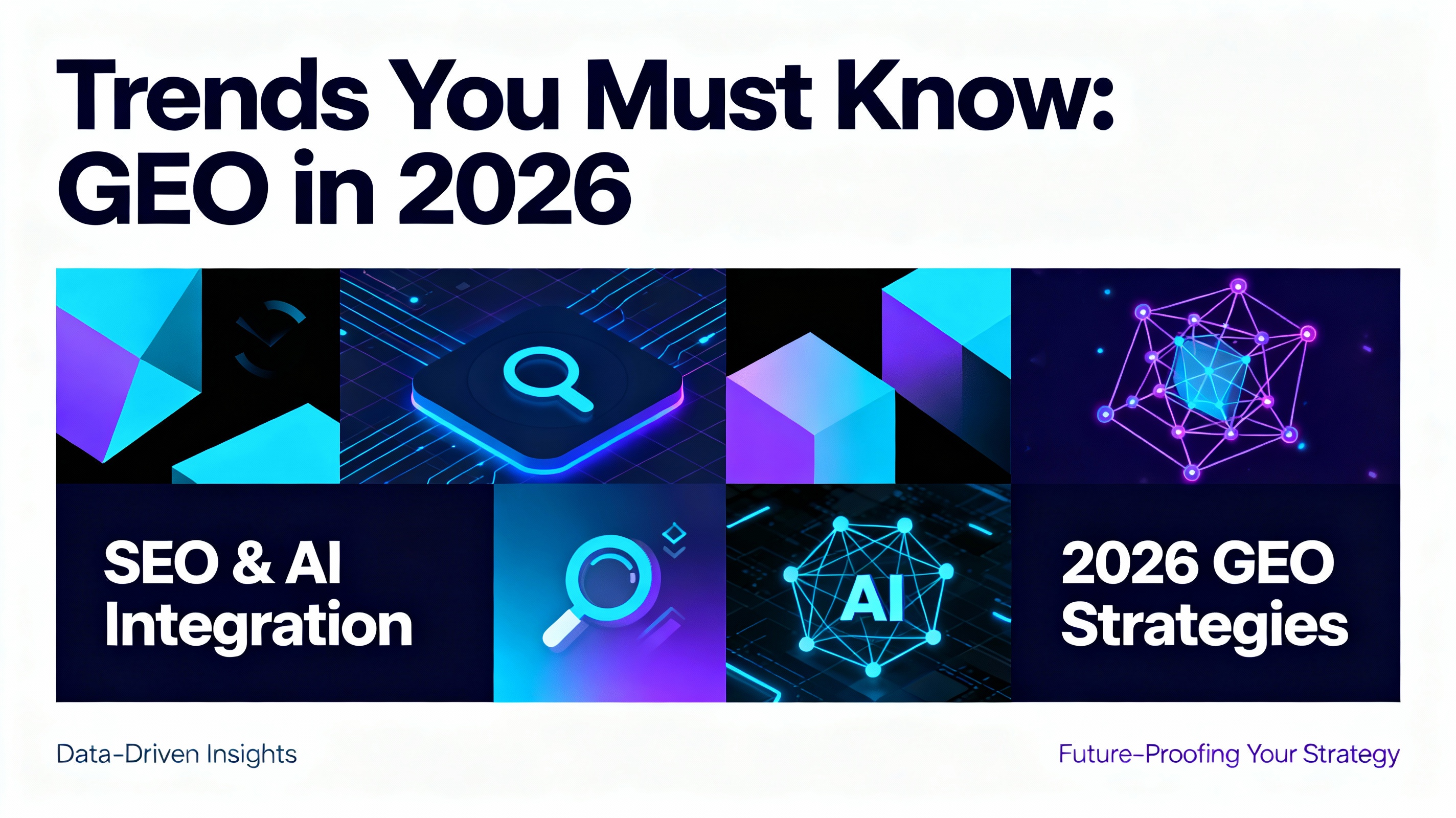
Trends You Must Know: GEO in 2026
Here are the top trends shaping GEO and the future of search:
- AI-first keyword research: Keywords are shifting toward question-based, conversational, and contextual queries.
- Multi-format visibility: AI models pull from blogs, infographics, PDFs, and even transcripts.
- Citation-based ranking: Being quoted by other authoritative sites boosts your chances of being surfaced by AI.
- Trust signals matter more: E-E-A-T – AI engines prioritize content with real-world expertise.
- Conversational content wins: AI prefers content written naturally rather than in rigid, keyword-stuffed structures.
The Future Is GEO
Generative Engine Optimization is the evolution of search. As AI becomes the primary gateway to information, brands need content that’s AI-friendly too. This article, too, is an example of AI-friendly information.
By creating structured and answer-ready content, you position your brand to be the voice behind the AI response.